A maintenance issue rarely stays confined to one work order. It can affect tenant communication, property condition, operating control, and the owner's understanding of what happened next.
For owners and investors, the real test is whether a management partner can carry a request from intake through coordination, inspection, follow-through, and clear reporting.
Discuss your maintenance coordination needs with HH Red Stone
Answer: Property maintenance coordination services connect maintenance requests with the people, inspections, vendors, approvals, and owner updates needed to resolve them. The service may include regular inspections, tenant communication, prompt maintenance, and capital-improvement execution, while the exact workflow should be tailored to the owner's preferences and requirements.
That distinction matters. Coordination is the operational handoff and follow-through; preventive-maintenance strategy and vendor-management oversight involve broader planning and controls. The first step is understanding what this service should cover, and what questions an owner should ask before assigning responsibility.
What Are Property Maintenance Coordination Services?
Answer: Property maintenance coordination services organize the operational work required to address maintenance needs across an income-producing property. The service connects maintenance requests, tenant communication, inspections, on-site teams, outside work, follow-through, and owner visibility. It is broader than sending a repair request to a vendor, but it is not the same as a preventive-maintenance strategy.
For an owner, the central value is accountability across the maintenance cycle. A coordination function helps identify the issue, determine the appropriate next step, communicate with the affected tenant or occupant, and keep the work connected to property-level operations. It also creates a path for inspections and post-work follow-through, so maintenance is considered alongside the condition, appeal, and ongoing operation of the asset.
At HH Red Stone, third-party management includes maintenance coordination, regular property inspections, tenant communication, and capital improvement planning and execution. The company provides management for off-campus student housing, apartments, and commercial real estate on behalf of property owners and institutional investors. Owners evaluating the service should therefore ask how routine requests, inspection findings, and larger improvement needs are separated and managed within the proposed scope.
The operating model matters as much as the task list. On-site property managers and maintenance staff handle property-level operations, while regional managers provide portfolio supervision and standardization. Management plans can also be customized to an owner's preferences and workflow requirements. That structure is intended to combine local knowledge with broader oversight rather than treat every property as an identical maintenance case.
Maintenance coordination is related to preventive work, but the terms should not be used interchangeably. Coordination addresses the intake and follow-through of identified needs. Preventive strategy determines how an owner plans recurring inspections, upkeep, and facilities priorities before a failure or complaint occurs. Capital improvement planning addresses larger repair or replacement decisions. A complete management scope may include all three, but each should be defined clearly.
For a broader view of the owner-facing role, review HH Red Stone's property management services. Owners responsible for commercial assets can also compare the scope with the company's commercial building management services.
How Does the Maintenance Coordination Workflow Work?
Answer: A maintenance coordination workflow moves a request from intake through triage, inspection, authorization, dispatch, communication, completion review, documentation, and owner visibility. The exact approval rules, service levels, and reporting cadence should be defined in the management plan rather than assumed.
- Receive and record the request. A tenant, property team member, inspection, or owner identifies a maintenance need. The first step is to capture the issue clearly, including the affected property area, available context, and any immediate operational concern. This creates a traceable starting point for follow-through.
- Triage the issue. The property-level team evaluates what is known and determines the next appropriate action. Triage helps distinguish routine maintenance from an issue that needs inspection, owner input, facilities leadership, or a broader capital-improvement discussion. A provider should explain how it categorizes and escalates requests.
- Inspect and add context. On-site property managers and maintenance staff handle property-level operations. They can assess the condition, clarify the scope, and identify whether the request connects to a recurring issue or another building need. HH Red Stone identifies regular property inspections and on-site maintenance coordination as part of its management services.
- Obtain owner approval when required. Some work may require a decision about scope, cost, timing, or whether the issue belongs in a larger improvement plan. Approval thresholds are not universal, so owners should confirm when authorization is needed, what information accompanies a request, and how urgent work is handled.
- Dispatch the work. Once the path is clear, the responsible team coordinates the maintenance work and any necessary vendor or facilities support. HH Red Stone's facilities leadership and regional oversight support a model that combines property-level execution with portfolio supervision and standardization.
- Communicate with tenants and property stakeholders. Tenant communication keeps affected residents informed about access, scheduling, status, or next steps. Clear communication also helps the property team identify changes that could alter the work scope.
- Review completion and document the outcome. The team confirms whether the work addressed the reported issue, records relevant details, and identifies follow-up needs. A public New Jersey repair-program procurement illustrates why issue tracking, quality control, document management, approvals, and reporting are useful accountability categories. This is an example of administrative structure, not an HH Red Stone policy. Review the documented procurement scope for that distinction.
- Provide owner visibility. The closed request, unresolved exception, recurring condition, or potential capital need should be reflected in the agreed owner communication and reporting process. HH Red Stone offers customized management plans and financial reporting, but owners should confirm the systems, metrics, and frequency that fit their workflow.
Where Do Inspections and Preventive Work Fit?
Answer: Inspections create condition information that can guide maintenance coordination, while preventive work turns recurring risks into planned actions. Capital improvements belong in a separate planning track because they involve larger repair or replacement decisions, approvals, timing, and reporting.
An inspection is more useful when its findings lead to clear operational follow-through. Regular property inspections can identify conditions that need attention before they become larger maintenance requests. They can also provide context for tenant communication, work-order prioritization, and decisions about whether a condition calls for prompt corrective maintenance or a longer-range improvement plan.
The appropriate inspection approach depends on the property and the management scope. For apartment and student-housing assets, a rental property inspection checklist can help organize recurring rental inspections, life-safety checks, and post-maintenance reviews. The checklist is not a substitute for an agreed operating plan. Owners should confirm the inspection cadence, responsible parties, documentation standards, and escalation process with the management provider.
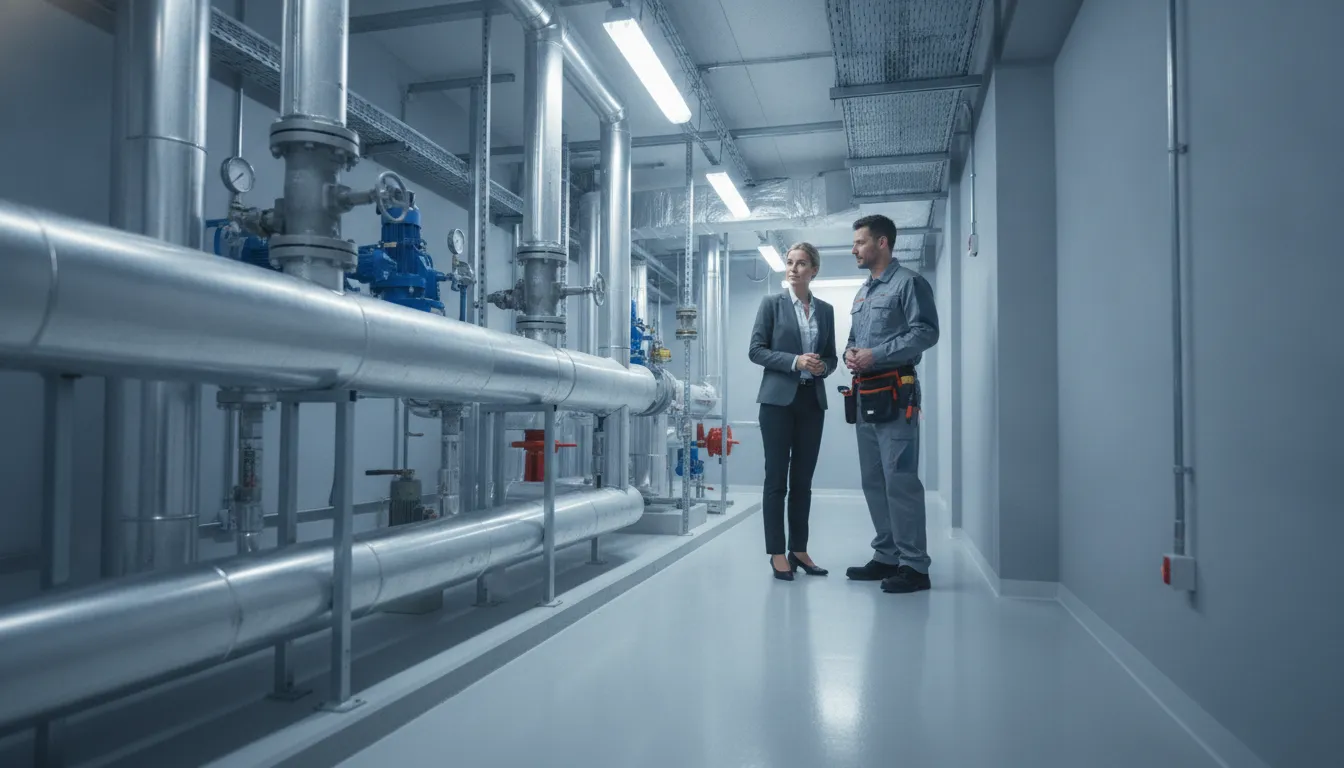
Preventive work is different from a reactive request
A reactive request begins with a reported problem, such as a failed component or a tenant concern. Preventive work starts with an identified risk, recurring condition, or facilities strategy and is scheduled before failure occurs. Both require coordination, but they use different inputs. Request coordination focuses on intake, communication, assignment, completion, and follow-through. Preventive planning focuses on patterns, asset condition, maintenance priorities, and the actions needed to support property value and appeal.
HH Red Stone identifies a Director of Facilities and Engineering Services as the leader of maintenance strategy and provides on-site maintenance coordination. That combination can connect property-level observations with a broader facilities perspective. The owner still needs to confirm the specific scope, cadence, and documentation included in the management plan.
When the work becomes a capital improvement
Not every inspection finding belongs in routine maintenance. A recurring repair, aging system, or material replacement may require capital improvement planning and execution rather than another isolated service request. A capital improvement budget planning resource can help owners evaluate repair and replacement budgets, reserves, approvals, timing, and reporting as a distinct planning process.
How Are Vendors, Approvals, and Owner Controls Coordinated?
Answer: Effective coordination connects the person identifying a maintenance need, the team assigning or overseeing the work, the owner control points that apply, and the records needed to confirm what happened. The exact approval thresholds, vendor standards, inspection cadence, and response-time expectations should be defined in the management plan rather than assumed.
A useful handoff begins with a documented request or inspection finding. Property-level managers and maintenance staff can assess the issue, clarify the work scope, coordinate the appropriate next step, and keep tenant communication connected to the operational record. Regional oversight and facilities leadership can provide consistency across properties, while the owner and manager agree on when approval, additional documentation, or escalation is required. HH Red Stone describes management plans as customizable to owner preferences and workflow requirements.
| Area | Clarify | Record |
|---|---|---|
| Coordination | Receiver, assignee, and closeout. | Roles, escalation, and handoff. |
| Approval | Review triggers and decision inputs. | Thresholds, authorization, and emergencies. |
| Documentation | Scope, vendors, findings, and invoices. | Required records, format, and access. |
Public procurement examples illustrate why these functions should not be treated as one vague vendor handoff. A New Jersey Department of Community Affairs repair-program solicitation identifies construction management, quality assurance, compliance monitoring, issue tracking, document management, accounting, reporting, and reimbursement validation as distinct service areas. That example is not an HH Red Stone policy, but it demonstrates the value of separating execution, review, controls, and records. Similarly, a City of Upland property-management agreement calls for a comprehensive management plan describing the policies and procedures for the project.
Questions to ask before signing
- How are vendors selected, evaluated, and held accountable?
- Which repairs or capital projects require owner approval, and what documentation accompanies the request?
- How are unresolved issues escalated, and how is completion verified?
- What records and reporting will owners receive, and at what agreed frequency?
Use this property management due diligence guide to evaluate these controls alongside staffing, financial processes, systems, and reporting.
What Should Owner Reporting Include?
Answer: Useful owner reporting connects property activity to ownership decisions. It should make open and closed maintenance work, recurring issues, inspections, capital projects, exceptions, and financial context easier to review and act on.
Reporting is not just a list of completed work orders. Owners need enough operational context to understand what is happening at the property, what remains unresolved, and where a recurring issue may require a broader response. For example, a report might organize:
- Open and closed work: outstanding requests, recently completed maintenance, and items that require follow-through.
- Recurring issues: patterns by building, system, unit, or property area that may warrant investigation rather than another isolated repair.
- Inspections and property condition: relevant findings, corrective actions, and items that affect property value or appeal. Regular inspections and prompt maintenance are documented parts of HH Red Stone's management scope.
- Capital work: the status of larger repair, replacement, or improvement efforts, including decisions and next steps that owners need to understand.
- Exceptions: unusual costs, delays, unresolved issues, compliance concerns, or decisions requiring owner attention.
- Financial context: expenses and other financial information presented in a way that supports oversight of operating performance.
HH Red Stone documents comprehensive financial reporting that can be customized to owner requirements. Its management model also combines property-level teams with regional oversight and corporate support, creating a structure for connecting local operating details with broader portfolio visibility. Owners evaluating commercial building management services can use reporting scope as one point of comparison, alongside maintenance, tenant coordination, compliance, and capital planning.
The exact reporting frequency, systems, and metrics must be agreed with the provider. The customer knowledge base does not specify those details, so an owner should ask what the reports include, how exceptions are escalated, which source records support the numbers, and how customized requirements will be handled. A property management due diligence review can help structure those questions before selecting a partner.
How Is Coordination Different From Preventive-Maintenance Strategy?
Answer: Maintenance coordination manages the operational follow-through on a known request or issue. Preventive-maintenance strategy looks ahead through facilities leadership, inspections, and planned work. Vendor oversight and capital improvement planning add separate control and investment decisions.
These responsibilities support the same property condition goals, but they should not be treated as interchangeable. HH Red Stone describes full maintenance coordination as part of third-party property management, alongside inspections, tenant communication, and capital improvement planning and execution. The company also identifies a Director of Facilities and Engineering Services as leading maintenance strategy, with on-site maintenance coordination as part of service delivery.
Maintenance request coordination
Coordination is the operational lane. It connects a reported maintenance need with the people responsible for property-level follow-through, tenant communication, inspections, and prompt maintenance. The focus is what must happen with a current issue, how the work moves through the property-level team, and how the matter is followed through. This coordination is intended to help preserve property value and appeal, but the specific workflow should be defined in the management plan.
- Receiving and clarifying maintenance requests
- Coordinating property-level maintenance activity
- Communicating with tenants or other affected parties
- Following up on inspections and corrective work
Preventive-maintenance strategy
Preventive strategy is the planning lane. It uses a facilities-led approach to consider inspections, recurring property needs, and work that can protect condition before an issue becomes an urgent request. The available service description supports inspections and prompt maintenance, but it does not establish a particular inspection cadence, response-time SLA, system, or set of preventive tasks. Owners should confirm those details before comparing providers.
- Use inspections to set maintenance priorities.
- Identify recurring or planned work.
- Connect facilities leadership with on-site operations.
- Document and report preventive activity.
Vendor oversight and capital improvements
Vendor oversight concerns controls around outside providers. Those controls include vendor standards, approval thresholds, and accountability. The available scope does not specify those standards or thresholds. They belong in the service discussion, not in an assumed promise.
Capital improvement planning addresses larger repair, replacement, or property-investment decisions rather than routine request coordination. Owners evaluating that layer can review capital improvement software for multifamily properties as they define planning, approvals, execution, and reporting expectations.
How Should Owners Evaluate a Property Management Partner?
Answer: Evaluate a partner by the strength of its people, controls, communication, reporting, and ability to adapt the operating plan to your properties. The right provider should make responsibility clear from the first maintenance request through follow-up and owner review.
Start with staffing. Ask who handles property-level operations, who provides regional oversight, and who owns maintenance strategy when an issue crosses departments. HH Red Stone describes a model that combines on-site property managers and maintenance staff with regional managers and corporate support. Its Director of Facilities and Engineering Services leads maintenance strategy. Those roles matter because owners need both local context and consistent portfolio supervision.
- Accountability: Can the provider identify the person responsible for intake, coordination, escalation, documentation, and closure?
- Controls: How are approvals, vendor selections, inspections, invoices, exceptions, and records handled? Confirm thresholds and procedures rather than assuming they are standardized.
- Escalation: What happens when a recurring repair, resident concern, compliance issue, or capital need requires management attention?
- Reporting: Can reporting be customized to your ownership priorities, including maintenance activity, recurring issues, financial context, and open items? Confirm the systems, metrics, and reporting frequency in the agreement.
- Customization: Will the management plan reflect your workflow, property type, approval preferences, and investment objectives?
Public-sector management and repair-program documents offer a useful accountability lens. The New Jersey Department of Community Affairs separates quality assurance, compliance monitoring, issue tracking, document management, accounting, and reporting into distinct service areas. A City of Upland agreement likewise calls for a detailed management plan describing the policies and procedures for the project. These examples do not establish a private manager's obligations, but they illustrate why owners should request clear policies, handoffs, and records rather than accepting a broad promise of oversight.
Finally, assess portfolio fit. Review experience with comparable assets, markets, operating complexity, and ownership expectations through the HH Red Stone portfolio. Use a structured property management due diligence process, then compare the proposed scope with your actual maintenance and reporting needs. HH Red Stone's property management services can be evaluated against those criteria, with customization discussed before engagement.
Frequently Asked Questions
What services does a property maintenance company provide?
A property maintenance company may coordinate maintenance requests, communicate with tenants, arrange inspections, support vendor handoffs, follow up on completed work, and provide owner visibility. The exact scope varies, so confirm whether the partner also handles preventive planning, capital improvement execution, approvals, and financial reporting.
How does a management partner handle maintenance requests?
The partner typically receives or routes the request, assesses the needed response, coordinates the property-level team or vendor, communicates relevant updates, and tracks the work through completion. Ask how urgent issues are escalated, how unresolved work is monitored, and how owners see exceptions or recurring problems.
Are inspections part of maintenance coordination?
They can be. Inspections provide information about property condition, recurring issues, life-safety concerns, and post-maintenance results. Confirm what types of inspections are included, who performs them, how findings become work orders, and how the inspection cadence is set for your property.
Who approves maintenance and capital improvement work?
Approval responsibilities should be defined in the management plan and owner agreement. Before engaging a partner, ask about approval thresholds, emergency authority, documentation, budget controls, and the process for repair or replacement work that becomes a capital improvement. Do not assume one provider's workflow applies to every owner.
What should owners expect in maintenance reporting?
Useful reporting can connect open and completed work, recurring maintenance issues, inspections, capital projects, exceptions, and relevant financial context. Reporting frequency, systems, and metrics should be customized to the owner's requirements and agreed before service begins.