Parking can shape resident satisfaction, leasing decisions, operating workload, and the use of a multifamily property’s land. An experienced real estate asset management company should help owners understand the parking arrangement, while property managers handle the day-to-day system: assigning spaces, communicating rules, responding to complaints, and tracking recurring issues. The right approach depends on the property’s supply, resident mix, lease terms, local requirements, and on-site conditions.
Call to discuss multifamily property management
How do multifamily property managers manage parking?
Answer: Multifamily property managers manage parking by documenting the number and type of spaces, setting clear allocation rules, communicating those rules before and after move-in, monitoring use, and resolving exceptions through a consistent process. Owners should expect regular reporting on availability, complaints, enforcement, maintenance, and any parking-related income or expense.
That work begins with a basic question: what does the property promise, and what can it reliably provide? A community with one assigned space per apartment needs a different process from a property where parking is first-come, first-served or offered through optional permits. Managers should match policy to the site rather than copy rules from another building.
For owners evaluating a property management approach, parking is a useful operating test. It shows whether the manager can translate lease terms into daily procedures, communicate with residents, coordinate vendors, and give ownership useful information. The manager’s job is not simply to issue permits. It is to keep the system understandable, usable, and aligned with the property’s operating plan.
What should a manager assess before setting parking rules?
A manager should start with a verified inventory. Site plans and old spreadsheets can be useful, but they may not reflect current striping, construction, blocked areas, or changes in use. A walk-through helps identify the number of usable spaces and how they function at different times.
- Supply: Count spaces that are actually available for parking, not just spaces shown on a plan.
- Space types: Identify accessible spaces, visitor areas, loading zones, service areas, and any spaces restricted by lease or law.
- Demand patterns: Observe peak periods, overnight demand, weekend use, and seasonal shifts where relevant.
- Physical condition: Note lighting, pavement, striping, drainage, sightlines, signage, gates, and pedestrian routes.
- Existing promises: Review leases, addenda, house rules, and any marketing statements related to parking.
- Local requirements: Have qualified counsel or appropriate specialists confirm applicable accessibility, fire access, and municipal requirements.
Property type matters. A conventional apartment community may have stable household vehicle patterns, while student housing can experience concentrated move-in and move-out demand, visitor surges, and changing occupancy over an academic cycle. Managers working with student communities should coordinate parking expectations with leasing and turnover planning, not treat parking as a standalone matter. HH Red Stone’s student housing operations framework offers related context on coordinating property-level operations.
Owners can connect parking planning to broader physical-asset priorities. For example, a resurfacing project may affect access and temporary capacity. A capital improvement plan can help organize larger improvements and their timing, while a multifamily maintenance plan can support recurring inspection and repair work.
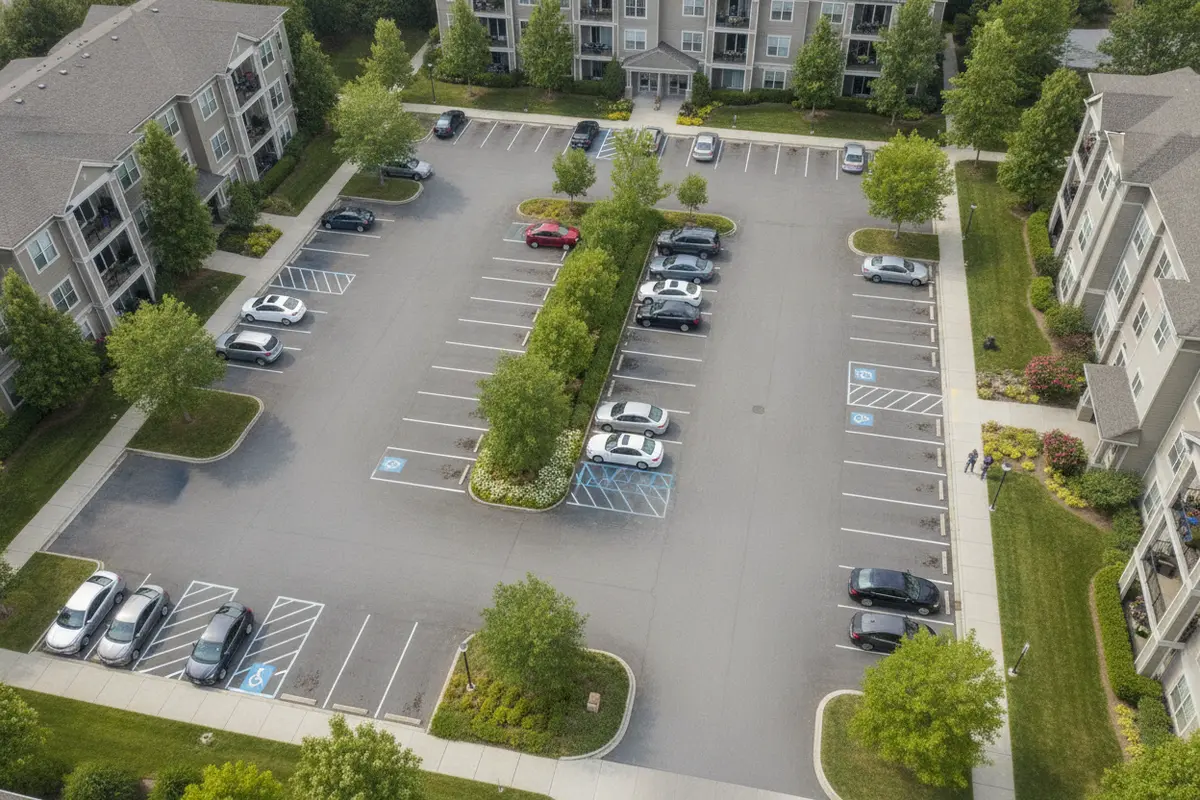
Which parking allocation model fits a multifamily property?
There is no single model that suits every asset. The manager should explain the trade-offs, verify that the model fits the lease and local rules, and make sure residents can understand how to use it. The comparison below is a starting point, not a substitute for site-specific review.
| Parking model | How it works | Potential advantages | Owner considerations |
|---|---|---|---|
| Assigned spaces | A resident or unit is allocated a particular space. | Clear expectations; useful where demand is high or spaces are limited. | Requires accurate records and a fair process for transfers, guests, and household changes. |
| Unassigned, first-come parking | Eligible residents use available spaces without a fixed assignment. | Simple to administer when supply is adequate and turnover is low. | Can frustrate residents if demand regularly exceeds capacity or rules are unclear. |
| Permit-based parking | Vehicles display or register a permit, with access governed by property rules. | Helps distinguish authorized vehicles and support enforcement. | Requires reliable registration, replacement, privacy practices, and a process for guests. |
| Optional paid parking | Residents can elect to pay for a space or parking privilege. | Can make allocation and related costs more visible. | Review lease language, local requirements, market expectations, billing, and collection procedures. |
| Mixed model | Different areas or space types use different rules. | Can respond to distinct resident, visitor, and service needs. | Needs clear maps and communication so exceptions do not become confusing or inconsistent. |
A manager should document why a model was selected and how it will be administered. For instance, assigned parking may reduce uncertainty but can create disputes when an assigned space is temporarily unusable. First-come parking may be easy to explain but may not feel fair if some residents arrive home late and regularly find no spaces. A mixed approach can work well when each zone has a clear purpose and signage supports the policy.
Do not assume a paid option is automatically appropriate or profitable. Owners should account for administration, enforcement, maintenance, payment processing, vacancy effects, lease obligations, and resident response. A manager can present the operational considerations, while the owner and qualified advisors determine the policy and financial treatment.
How should parking rules be communicated and enforced?
Consistency starts before residents move in. Parking terms should be reflected accurately in leasing materials and documents, and the manager should explain what is included, what requires registration, where guests may park, and how residents request help. A policy that exists only in a staff member’s memory is difficult to apply consistently.
- Publish a concise policy. State who may park, where, during what hours, and how permits or assignments work.
- Show the layout. Use a current map to mark resident areas, visitor spaces, accessible spaces, loading zones, and restricted areas.
- Explain exceptions. Provide a route for move-in vehicles, contractors, temporary vehicle changes, and accessibility-related requests.
- Train staff. Make sure leasing, maintenance, and on-site personnel use the same rules and escalation path.
- Record actions. Keep a dated record of notices, resident contacts, warnings, and resolution, following applicable privacy and retention practices.
Enforcement should follow the written policy and applicable law. Staff should not improvise penalties or towing procedures. Owners and managers should obtain local legal guidance on notice, signage, authorization, and vendor requirements before taking enforcement action. The manager should also distinguish an urgent safety obstruction from a routine permit issue and escalate each appropriately.
When residents report a problem, the manager can acknowledge the concern, confirm the relevant facts, explain the policy, and document the outcome. This helps avoid inconsistent treatment and reveals repeated issues. A resident who cannot find an assigned space may need a direct correction; a pattern of unauthorized overnight vehicles may require a broader review of access control or visitor rules.
What parking tasks belong in the operating workflow?
Parking management touches several operating functions. Owners should ask how these tasks are assigned and how staff know when an issue requires escalation.
- Permits and records: Maintain a current list of authorized vehicles and space assignments, with access limited to staff who need the information.
- Resident service: Handle questions, replacement permits, assignment changes, and complaints through a tracked process.
- Inspections: Check for damaged pavement, faded markings, blocked routes, lighting outages, debris, and hazards.
- Vendor coordination: Schedule striping, sweeping, snow or landscape coordination where applicable, gate service, and repairs.
- Event planning: Plan for move-in days, tours, deliveries, maintenance work, and other periods that change demand.
- Incident response: Route safety, access, and property-damage concerns to the proper staff and record follow-up.
Parking belongs in the larger management system. A maintenance issue may require a temporary closure; a leasing campaign may bring more tours; a property improvement may reduce spaces for a period. A manager who coordinates these functions can plan alternatives and communicate changes before they disrupt residents. Owners seeking a broader view of operational controls can review the property management operations manual guide and the maintenance workflow guide.
How can owners tell whether parking is working?
Owners should review operational evidence, not rely only on anecdotal feedback. A small set of consistently tracked measures can reveal whether supply, rules, and service are aligned. Measures should be interpreted in context; a high complaint count may reflect a temporary construction disruption, a change in occupancy, or a lasting mismatch between demand and supply.
- Availability: Compare usable spaces with the property’s parking commitments and observed peak demand.
- Complaints: Track volume, type, response time, repeat incidents, and resolution.
- Permit accuracy: Check whether registrations and assignments are current and whether staff can verify authorization.
- Enforcement outcomes: Review notices, disputes, repeat violations, and vendor actions for consistency.
- Condition and work orders: Monitor lighting, striping, surface repairs, access systems, and time to close work orders.
- Financial performance: If parking charges apply, compare collections and costs with the approved budget and documented policy.
Parking measures should support decisions, not become vanity reporting. If occupancy is strong but residents repeatedly report unavailable spaces, the manager should investigate the times and locations involved. If complaints are low but unauthorized vehicles are common, the system may not be detecting the issue. Review trends alongside leasing, turnover, maintenance, and resident feedback.
Owners can incorporate these measures into a broader reporting rhythm. A monthly property management report should make material patterns visible, while relevant property management indicators can help connect operational activity to owner priorities. Reports are most useful when they state what changed, why it matters, and what action is recommended.
What should owners ask a prospective property manager?
Use practical, scenario-based questions. Ask the manager to describe the process, who owns each step, what gets documented, and how ownership receives updates. The goal is to test operational clarity rather than accept a broad promise that parking will be handled.
- How do you verify the parking inventory and identify spaces that cannot be used?
- How would you recommend assigning or permitting spaces at this property, and what assumptions support that recommendation?
- How are parking terms communicated during leasing and move-in?
- Who responds to complaints, and how are repeat issues escalated?
- What is the process for vendor work, temporary closures, and resident notices?
- How do you review local requirements and coordinate with counsel when needed?
- What parking information will ownership see in routine reporting?
- How would you handle an unexpected demand spike or a conflict over a space?
Ask for a sample workflow or anonymized reporting format if available. A strong answer should be specific enough to show ownership, records, and follow-through. It should also acknowledge limits: legal questions need qualified advice, and a manager cannot create more spaces simply by changing a rule.
Management fit also depends on the property’s size and operating needs. Owners can compare third-party student housing management with multifamily management needs, and review the HH Red Stone portfolio for context about the company’s managed property experience. The relevant question is whether the manager’s operating model fits this asset and its residents.
Call HH Red Stone at (240) 249-0297 to discuss your property
Frequently asked questions
Can a property manager assign parking spaces?
A property manager may administer assignments when authorized by the owner and consistent with lease terms and applicable requirements. The policy should explain how spaces are assigned, changed, and documented.
Should multifamily parking be assigned or first come, first served?
It depends on supply, demand, resident expectations, and the property’s commitments. Assigned spaces can provide certainty, while first-come parking can be simpler when adequate spaces are available. Managers should explain the trade-offs using site-specific information.
How do managers handle unauthorized vehicles?
They should follow the written parking policy and applicable local requirements, document the issue, and use only approved notice and enforcement procedures. Owners should confirm towing and other enforcement rules with qualified local advisors before implementation.
What should an owner track in a parking report?
Useful items include space availability, complaints and resolution, permit accuracy, enforcement patterns, maintenance needs, vendor work, and budget performance when parking-related charges apply. The report should explain material changes and proposed next steps.
How does parking affect student housing operations?
Student communities may have concentrated move-in, move-out, visitor, or seasonal demand. Managers should coordinate parking policies and temporary arrangements with leasing, resident communication, site maintenance, and the property’s academic-year operating calendar.
What should owners do when parking complaints keep recurring?
Look for a pattern by time, location, vehicle type, and policy issue. Verify the inventory and records, talk with on-site staff, and determine whether clearer communication, a rule adjustment, maintenance, or a different allocation model is appropriate.
Parking works best when residents understand the rules and staff can apply them consistently. Owners should expect a manager to connect the day-to-day process with property conditions, resident experience, maintenance planning, and clear reporting.