Multifamily Preventive Maintenance Program: Comprehensive Guide
Smart multifamily property owners use scheduled maintenance cycles to reduce high repair costs and tenant turnover. Staying ahead of building wear helps you protect your bottom line while keeping your property in top condition.
Looking for a professional partner to manage your property's upkeep? Learn more about HH Red Stone's property management services or call us today at (240) 249-0297.
A multifamily preventive maintenance program is a scheduled set of checks and repairs designed to keep building systems running at peak performance. This proactive approach focuses on high-traffic areas and major systems like HVAC, plumbing, and electricity to prevent sudden failures. According to HUD User, proper asset management through consistent maintenance helps preserve property value and improves the living space for all residents. By fixing wear and tear before it leads to a breakdown, owners can lower their total costs and avoid expensive service calls. The program also helps staff manage their time better and keeps tenants happy by ensuring the building stays safe and steady throughout the year.
Moving from reactive repairs to a planned system requires a clear guide for your staff and your budget. You can build a stronger site by learning exactly how a Multifamily Preventive Maintenance Program works to protect your long-term asset. We will start by looking at what makes up a multifamily preventive maintenance program and why it is a critical asset management strategy.
What is a Multifamily Preventive Maintenance Program?
A multifamily preventive maintenance program is a plan to keep a property in top shape through regular, scheduled care. Instead of waiting for parts to break, property managers use these plans to check and fix systems early. This proactive path helps extend the life of building assets and preserves the property value for owners. It is a core part of full-service property operations that ensures a building stays safe and runs well.
Proactive versus reactive care
Most maintenance falls into one of two paths: reactive or proactive. Reactive care happens when something stops working, like a burst pipe or a failed heater. These emergency repairs often cost more and can lead to unhappy residents. In contrast, a proactive program uses a coordinated preventive maintenance program to catch small issues before they grow. Regular building checks are a key part of this strategy to lower upkeep costs and keep vacancies low.
A strong program also covers health and safety. The Environmental Protection Agency notes that regular checks on HVAC tools are vital to keep indoor air clean. Plans should also include moisture control to prevent mold growth and structural damage. By focusing on these priority areas, managers can provide a safe home while protecting the owner's long-term profit.
Maintenance versus capital improvements
It is important to know the difference between routine care and capital improvements. Routine care involves small, frequent tasks like changing air filters or testing smoke alarms. These are part of a multifamily property maintenance services plan. Capital improvements are large, one-time projects that add new value, such as a full roof replacement or a new lobby. While both are needed for asset health, preventive care reduces the need for premature capital spending.
| Type of Care | Focus | Typical Cost | Outcome |
|---|---|---|---|
| Reactive | Fixing broken parts | High (Emergency) | Short-term fix. |
| Proactive | Planned upkeep | Low to Moderate | Longer asset life. |
| Capital | Major upgrades | Very High | Added asset value. |
For large portfolios, scale and tech are key. High-density sites, like student housing near major schools, need high standards to handle heavy use. Using PropTech helps teams track maintenance program performance metrics and manage work orders efficiently. This mix of expert service and smart tools helps maintain property appeal and keeps resident retention high.
The Essential Apartment Preventive Maintenance Checklist
A strong multifamily preventive maintenance program keeps properties safe and helps owners save money. Regular checks stop small issues from turning into big, costly repairs. By using a clear plan, teams can fix things before they break. This keeps residents happy and helps the building last longer. It also protects the property value for the long term. Owners see a better return when they invest in regular care. Proactive work leads to higher maintenance program performance metrics and fewer resident complaints.
Steps for a Good Maintenance Workflow
A good maintenance system needs a clear set of steps. This helps teams work fast and stay on track. Following a set path ensures no task gets missed.
- Review the full list of building systems. This includes HVAC units, roofs, and shared areas. You should know what needs care first to manage your budget well.
- Create a schedule for each task. Some items need a check every month, while others only need care once a year. Use a digital tool to track these dates and send alerts.
- Gather all tools and parts before the work starts. Having air filters and light bulbs ready saves time during the visit. This keeps the team moving from unit to unit.
- Inspect each unit and shared space. Look for leaks, wear, and safety risks. Write down what you find in a clear report for the office to review.
- Complete the needed repairs right away. If you find a small drip or a loose railing, fix it then. This stops larger damage from happening later and keeps residents safe.
- Log the work in your records. Keeping a detailed history helps you track the health of the building over time. It also proves the value of your work to owners.
Seasonal Maintenance Tasks
Weather changes bring new needs for every apartment building. In the spring, teams should check gutters and roof lines. Clearing debris helps prevent water damage from heavy rain. This is also a good time to check air units before the summer heat hits. Proper moisture control is a top priority for maintaining building health and stopping mold growth.
In the fall, the focus shifts to heating systems and insulation. Checking seals around windows and doors keeps units warm and lowers energy bills. Teams should also test smoke alarms and carbon monoxide detectors in every unit. A coordinated preventive maintenance program ensures that these tasks happen on time each year. This proactive approach helps avoid emergency calls during the coldest months when parts are hard to find.
Setting the Right Inspection Cadence
Knowing how often to check systems is key to smooth work. Most multi-unit sites need a mix of monthly, quarterly, and yearly checks. High-traffic areas like halls and gyms need more care. You might check these spots every week to keep them clean and safe. This high standard of care is vital for large sites with many residents. It helps keep the property looking its best for new people moving in.
For single units, a twice-yearly check is a common goal. This allows teams to check fire safety tools and look for leaks under sinks. Regular visits also help you spot lease issues or damage early. Handling pest control is also a part of these visits to keep the building clean. Following these physical inspection standards keeps your property in line with industry rules. A solid plan gives owners peace of mind and keeps the business running well.
Asset Inventory: Building the Foundation of Your Program
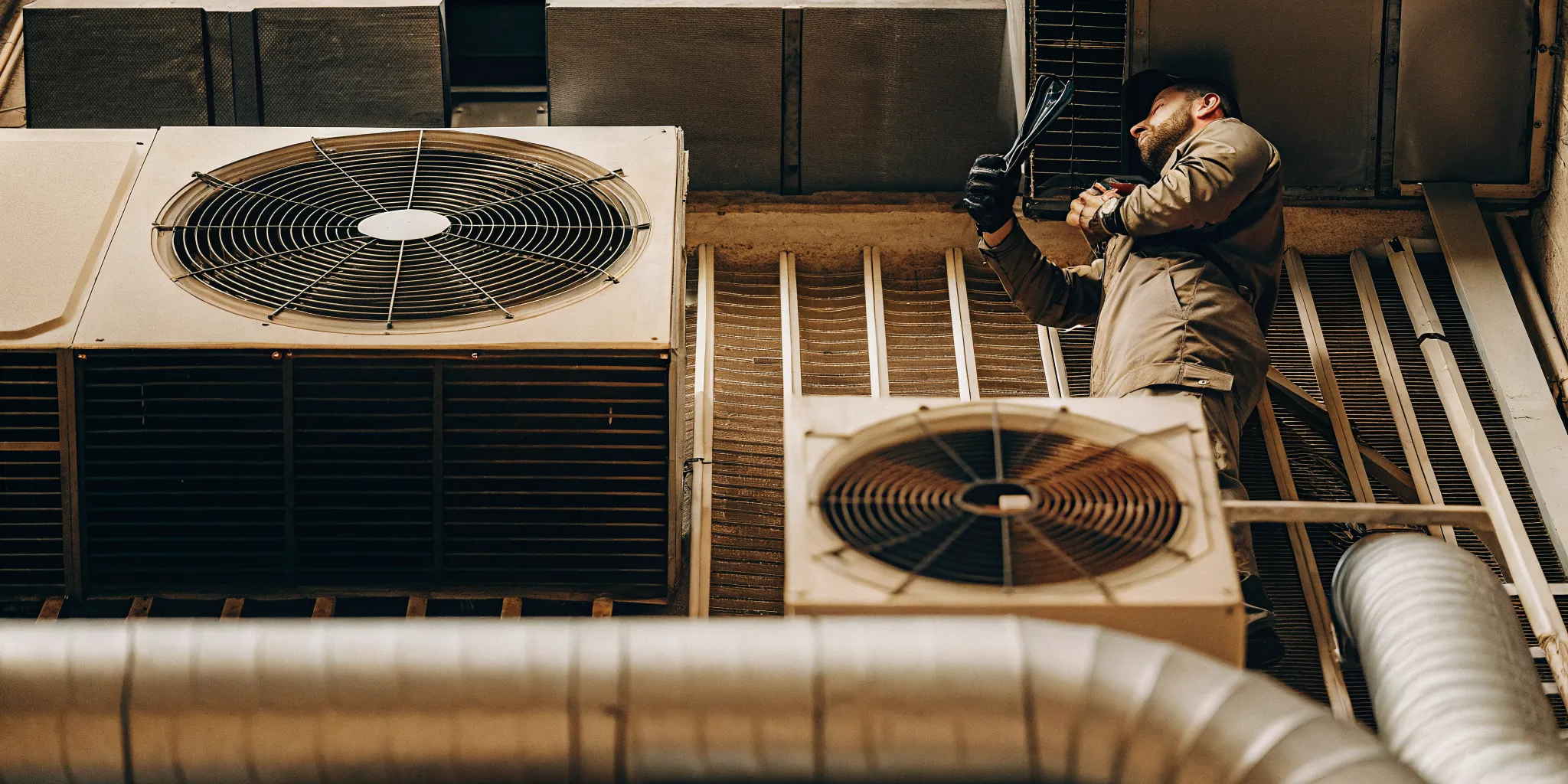
The first step in any strong multifamily preventive maintenance program is knowing just what you own. You cannot fix what you do not track. For a large site, this means making a full list of every machine, pipe, and safety tool. At HH Red Stone, we manage over 10,000 units. We know that a clear list helps owners save money and keep renters happy. Without a good list, small issues turn into big, costly breaks.
Finding Core Building Systems
You must find and map the core parts that keep your building running. This starts with mechanical units like boilers and chillers. You also need to track plumbing lines and pumps. Life-safety tools like fire alarms and sprinklers are just as vital. These parts are the heart of your site. If they fail, the whole building can go dark or become unsafe for the people who live there.
Your list should also focus on air quality. The Environmental Protection Agency says that HVAC care is a top goal for healthy indoor air. Regular checks on these units help stop mold and keep the air fresh. By tracking the age and health of these machines, you can plan for fixes before they stop working. This keeps your costs low and your air clean.
Mapping the Building Envelope
The building shell is the layer that protects your site from the world. This includes the roof, walls, windows, and doors. A small leak in the roof can cause huge damage to the units below. You should map every part of this shell to find weak spots early. Mapping helps you see which areas need help first. It also lets you build a clear plan for the whole year.
A good check of the building shell also helps you grow your asset value. Studies show that a clear care plan raises property value for multifamily owners. It shows that the site is well-kept and safe. This makes the site more nice for new renters and buyers. When you know the state of your roof and walls, you can protect your asset for years to come.
Setting Up Clear Records
Once you have your list, you need to store it in a way that is easy to use. Good records should include model numbers and install dates for every machine. You should also note the last time an expert looked at each unit. HH Red Stone uses high-tech tools to keep these records in one place. This makes it easy for our property management teams to see what needs work right now. It also helps us track how much life is left in each tool.
Shared records stop the guesswork that often leads to high bills. When a repair pro arrives, they will know just what tools and parts they need. This saves time and lowers the cost of every visit. It also ensures that no machine is missed during the year. By building this base of data, you set your whole care program up for success. You will have the facts you need to make smart choices for your property.
Addressing Health, Safety, and Compliance Protocols
A strong multifamily preventive maintenance program must prioritize the health and safety of residents. Meeting high standards helps owners protect their assets while ensuring a safe living space. This work often involves following strict rules from local and federal groups. By sticking to these protocols, you can reduce risks and keep your property in top shape for the long term.
National Inspection Standards
Modern housing management relies on clear inspection rules to keep units safe. The National Standards for the Physical Inspection of Real Estate (NSPIRE) set the bar for how we look at property health. These rules focus on functional items that impact daily life. Regular checks help teams find issues before they become big problems. This proactive path is a core part of effective multifamily property maintenance services that keep residents happy.
Indoor Air Quality and Moisture Control
Healthy air is a top priority for any multifamily site. Large buildings often face risks from moisture and mold which can hurt the structure and health. Following the EPA protocols for multifamily buildings helps teams manage these risks. Key steps include checking HVAC systems and fixing leaks fast. Good air flow and dry spaces prevent mold growth and keep the building strong. This care shows a clear focus on quality and resident well-being.
Pest Control and Vendor Coordination
Effective pest management is about more than just reactive fixes. It requires a planned effort across all units to be truly helpful. A coordinated preventive maintenance program uses scheduled visits to stop pests before they spread. Maintenance teams must work closely with outside vendors to ensure all tasks are done right. Clear communication with experts ensures that safety steps are met without fail. This teamwork is key to managing large properties at scale while keeping a high standard of care.
How to Align Resident Communication and Maintenance Scheduling
Clear talk between staff and residents is the base of any coordinated preventive maintenance program. When people know when and why a pro is coming, they feel more at ease. This trust leads to more resident retention because people want good help and a calm home. High-density student housing needs even more care due to the fast pace of those sites.
Prioritize work orders for efficiency
Managing many units needs a smart way to rank tasks. Teams must split urgent fixes from routine checks. A multifamily property maintenance services team uses data to set these ranks. This ensures that safety items like mold or water control always come first. By following clear rules, you can handle heavy use without letting small tasks turn into big costs.
Use technology to schedule visits
New property tech helps sync staff hours with resident needs. For sites near schools like JHU or UPenn, plans must be exact to avoid class times or study hours. Using PropTech makes this easy by letting residents pick times or get alerts on their phones. This cuts the time staff spends on calls and stops missed visits. It also helps track maintenance program performance metrics to keep the team on track.
Follow health and safety guidelines
Proactive care is not just about fixing leaks. It is also about keeping the air clean and the building safe. The EPA recommends regular HVAC checks to keep the air fresh. When you plan these tasks, tell residents how the work helps their health. Show that checks on vents and water stop mold and keep power costs low. This link between tasks and perks makes residents more likely to help staff get the work done.
Tracking Performance: KPIs and Budgeting for Long-Term Success
Managing a multifamily property maintenance services plan needs a focus on data. A strong plan does more than just fix leaks. It uses clear goals to see how well systems work over time. By tracking data, you can see if your work saves money or if you need to change your path. This helps keep the property in top shape for years.
Key performance metrics
Good metrics show you the true health of your building. You should track how often systems break and the cost of each fix. Another vital point is the time it takes to finish a work order. High-quality maintenance program performance metrics help owners spot trends before they become costly. For example, if HVAC fixes rise, it may be time to replace the whole unit.
Tracking these numbers also helps with resident trust. When systems work well, people stay longer. Regular checks of your gear can help minimize vacancies and upkeep costs. This keeps your cash flow steady. You can use this data to show the value of your work to partners.
Budgeting for durability
A smart budget looks ahead at least five years. It sets aside funds for big items like roofs and boilers. This stops large, surprise costs from hurting your profit. Experts say that these plans can lead to higher property values for owners. Putting money into the building now prevents much bigger bills later.
You should also budget for energy-efficient steps. Making these changes helps ensure your structure lasts a long time. These steps help meet federal housing standards for project oversight. A clear budget makes it easier to work with vendors and plan for the future of the asset.
Frequently Asked Questions
How does a multifamily preventive maintenance program increase property value?
A strong maintenance plan helps keep building systems in top shape. This stops small issues from turning into big, costly repairs. By fixing things early, owners can extend the life of parts like roofs and heating systems. According to HUD, keeping a property in good repair is key to keeping its worth high. Clean and safe buildings also attract better tenants. This leads to higher rents and more profit for the owner over time.
What are the core components of a proactive maintenance strategy?
A good plan focuses on frequent checks and planned fixes. This includes testing safety tools and looking at roofs or plumbing before leaks start. Systems like HVAC units need steady care to work well. This shift from reactive to proactive care helps lower total costs. Using tech to track work orders also makes the process easier. Expert teams often use these tools to keep buildings running without many gaps. This keeps the asset safe and cuts down on surprise bills.
Why is moisture control a priority in apartment building maintenance?
Too much water can lead to mold and structural damage. This hurts the health of residents and ruins the building. Maintenance teams must find and fix leaks as soon as they appear. According to the CDC, keeping homes dry is a vital part of safe housing. Controlling moisture helps stop mold from growing in walls or floors. This keeps the building safe and helps owners avoid expensive clean-up costs later on.
How does preventive maintenance improve resident retention?
Residents stay longer when they feel their home is well-kept. Fast repairs and reliable service build trust between the tenant and the owner. A proactive plan ensures that heat and water systems always work. This lowers the stress for people living in the building. According to HUD User, good upkeep is a top reason why people choose to stay in their apartments. Happy residents mean fewer empty units and more steady income for the property owner.
Ready to schedule a property management discovery call?
Waiting to fix broken systems costs much more than regular care. Each day you go without a clear plan risks high repair bills and unhappy renters. A proactive approach keeps your asset in top shape and helps you avoid sudden, large expenses. Starting a program now means you can find small issues before they become major failures. You get a clear look at your property's health and more peace of mind for the future. Our team helps you manage these maintenance tasks so you can focus on long-term growth. We offer full-service multifamily property maintenance services to keep your assets in peak condition. If you wait for things to break, you lose money and tenant trust. Proactive care is the best way to protect your investment and keep your units full. Every month you delay is a missed chance to lower your costs. You can secure your property's future by taking this simple step today.
Ready to schedule? Call (240) 249-0297 to schedule a free property management discovery call. Take action today.